
5 Ways to Tick-Proof Your Yard This Fall
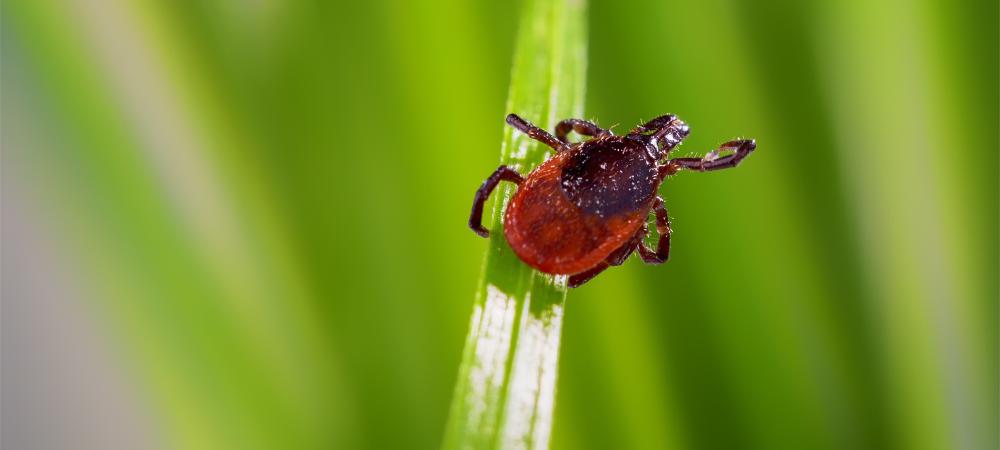
Most Southeastern Pennsylvania homeowners write off tick season the moment cooler weather arrives, which is exactly the wrong instinct. Adult blacklegged ticks, the species that spreads Lyme disease, are most active in fall and stay active through winter whenever the temperature climbs above 40°F. A few changes to how your yard is set up this fall can meaningfully cut how many ticks make it from the tree line to where your kids and pets actually play.
Fall fact: Penn State Extension reports that adult blacklegged ticks in Pennsylvania are active nearly year-round, with activity concentrated in fall, through winter thaws, and into early spring, not summer. PSU Extension data also shows that 20 to 40% of blacklegged ticks in the state test positive for the bacteria that causes Lyme disease, depending on location.
1. Remove Leaf Litter and Clear Brush at the Yard's Edge
Ticks don't survive well in dry, open conditions. Leaf piles, brush, and unmowed edges hold the moisture and shade they need, which is why ticks concentrate right where a yard meets a wood line, hedge, or stone wall. Raking up fall leaves promptly, instead of leaving them to sit through the season, removes one of the biggest reasons ticks build up close to the house.
2. Build a 3-Foot Barrier Where Lawn Meets Woods
The CDC recommends placing a barrier of wood chips or gravel, at least 3 feet wide, between maintained lawn and any adjacent wooded or brushy area. Ticks generally won't cross a dry, exposed strip like this, which keeps them from migrating from the tree line into the parts of the yard where people and pets actually spend time. It's a one-time landscaping project that keeps working every season without any reapplication.
3. Mow Regularly and Keep Grass Short Along Trails and Play Areas
Ticks quest, meaning they climb to the tip of a blade of grass or a low branch and wait for a person or animal to brush past. Taller grass gives them a higher perch and more cover. Keeping the lawn mowed, especially along paths, fence lines, and the edges of play areas, cuts down on the spots where a tick can wait for a host to walk by.
4. Make the Yard Less Attractive to Deer and Rodents
Deer and small mammals like mice are the primary hosts that carry ticks onto a property in the first place. Fencing off garden beds from deer, keeping firewood stacked away from the house in a dry spot rather than against it, and skipping bird feeders that also draw in rodents all reduce how many tick-carrying animals pass through the yard.
5. Schedule a Fall Perimeter Flea and Tick Treatment
Landscaping changes reduce tick habitat, but they don't reach ticks that are already established along the property line. Green Grass Lawncare, Inc.'s flea and tick control service treats the yard's perimeter and high-traffic areas directly, which is the piece yard maintenance alone can't cover. Pairing the two is what actually brings tick exposure down instead of just managing part of the problem.
None of these five changes require replacing your whole yard, and most of them are one afternoon of work. Combined with a professional treatment along the property line, they're the most effective way to keep a fall walk through your own backyard from turning into a tick check. For other ways your yard might be attracting unwanted pests, see our post on common mosquito attractants.
Worried about ticks in your yard this fall? Call Green Grass Lawncare, Inc. and we'll set up a perimeter treatment before the season's over.