
Is It Too Late for Grub Control in Pennsylvania? A Fall Timing Guide
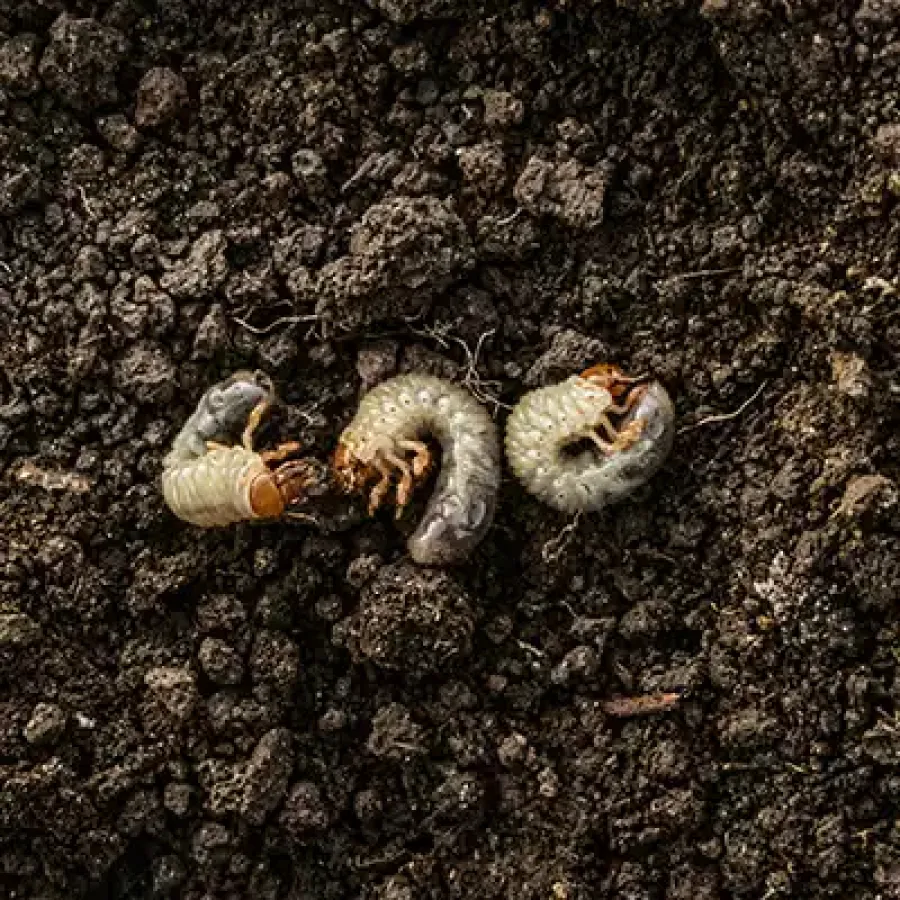
Grub damage caught before mid-September is usually still treatable in most of Pennsylvania. Once the calendar moves into October, the grubs feeding under your lawn have typically grown large enough to burrow deeper into the soil for winter, and a curative application at that point has very little left to work on. The difference of a few weeks decides whether a treatment actually reaches the grubs or gets applied to soil they've already left.
Still Treatable vs. Already Past the Window
| What You're Seeing | What It Likely Means | What to Do |
|---|---|---|
| Grass pulls up like loose carpet, roots mostly gone | Active grubs likely still near the surface, feeding | Curative treatment plus watering, if before mid-September |
| Brown patches with visible C-shaped grubs when you dig | Confirmed active infestation | Curative treatment now, then repair the turf |
| Damage first noticed in late October or later | Grubs have likely moved deeper to overwinter | Skip the insecticide, plan repair and next year's prevention instead |
For a closer look at what grub damage looks like against other lawn problems, see our post on the visible signs of grubs.
Pennsylvania's Fall Grub Window Is Narrower Than Most Advice Suggests
The effective window for a curative grub treatment in Pennsylvania runs from August through mid-September, according to Penn State Extension's white grub guidance for home lawns. As of 2026, that window is still open for most Southeastern Pennsylvania lawns treated before mid-September. Curative products work by reaching grubs while they're small and actively feeding near the surface, and that stage doesn't last long. A lot of general lawn care advice online treats "fall" as one long window for grub control, but in Pennsylvania that window is closer to six weeks than three months.
Why an October Treatment Usually Doesn't Reach Anything
By the time grubs have grown through most of their feeding stage, they start moving deeper into the soil profile to survive freezing temperatures. A curative insecticide applied at that point is being watered into soil the grubs have already left, which is why treatments applied in late October or November are far less effective than the same product applied in early September. This is the piece homeowners miss most often: seeing damage in October doesn't mean it was too late to act, it means the window to act already passed a few weeks earlier.
If the Window's Closed, Overseeding Repairs the Damage This Fall Instead
A lawn with grub damage that's past the treatable window doesn't need to wait until spring to start recovering. Fall is also the best time of year to overseed cool-season lawns in Pennsylvania, and reseeding the damaged patches now gives new grass roots a full growing season before summer heat stress arrives. Green Grass Lawncare, Inc.'s aeration and overseeding service repairs thinned or bare turf from grub damage at the same time it addresses the soil compaction that made the lawn more vulnerable in the first place.
Don't Treat the Whole Lawn Without Confirming Grubs First
Treating an entire lawn for grubs without confirming an active population wastes product and money on soil that may not need it. Cutting a small square of turf, about one foot by one foot, and folding it back to count grubs in the top few inches of soil is the fastest way to confirm what's actually happening before treating. If the count comes back light, the brown patches are more likely drought stress or disease, and a grub treatment won't fix either one. Green Grass Lawncare, Inc.'s lawn pest control service includes that kind of inspection before recommending treatment, rather than treating on a guess.
Not sure if the brown patches in your yard are still fixable or if it's time to plan for repair? Call Green Grass Lawncare, Inc. and we'll take a look before winter sets in.