
Most Common Grass in PA and How to Care for it
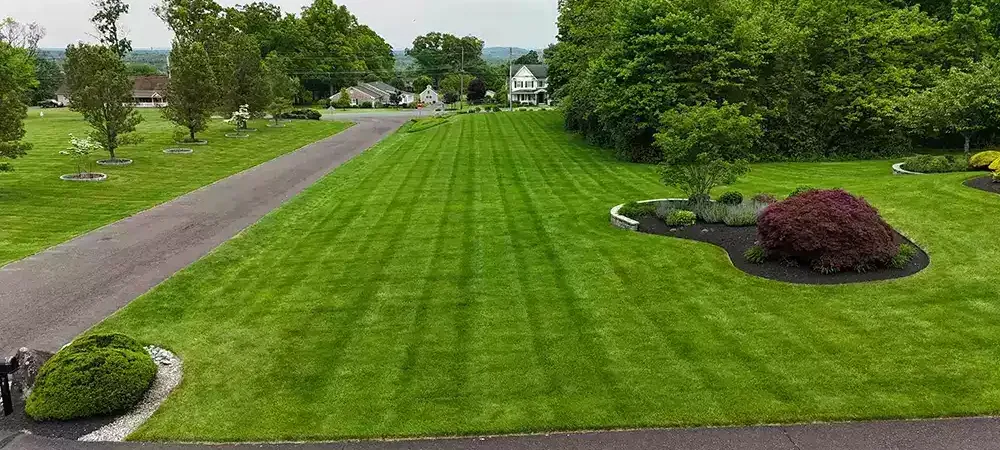
Pennsylvania homeowners deal with a lot when it comes to lawn care: cold winters, hot summers, clay soil, shade from mature trees, and a spring that feels like it lasts about two weeks. One thing that makes a real difference in how your lawn handles all of that is knowing exactly what type of grass you have. The wrong care routine for the wrong grass type can leave your yard thin, patchy, or struggling to bounce back every year. The good news is that most lawns in Pennsylvania grow one of just four cool-season grass types, and each one responds well to a targeted approach.
Quick Answer
The most common grasses in Pennsylvania are Kentucky bluegrass, perennial ryegrass, fine fescues, and tall fescue. All four are cool-season grasses that grow best in spring and fall when temperatures sit between 60 and 75 degrees Fahrenheit. Knowing which type you have helps you time fertilization, aeration, and watering to get the best results.
PA Lawn Fast Facts
- Cool-season grasses thrive in PA's climate and grow most actively during spring and fall, not summer.
- Kentucky bluegrass is the most widely used species for sod in Pennsylvania, prized for its dense, self-repairing growth habit.
- Matching care timing to your grass type is the single biggest factor in whether your lawn stays thick or thins out year to year.
Why Knowing Your Grass Type Is the First Step to a Healthier Lawn
Pennsylvania falls in what agronomists call the cool-season grass zone, a band of northern states where warm-season grasses like bermuda or zoysia simply cannot survive a full winter. According to Penn State Extension, the cool-season grasses best suited for Pennsylvania lawns include Kentucky bluegrass, perennial ryegrass, the fine fescues, and tall fescue, each with its own strengths, weaknesses, and care requirements (Landschoot, "Turfgrass Species").
In our experience working with lawns across Berks, Bucks, and Montgomery counties, the most common problem we see is homeowners applying fertilizer or weed control on the wrong schedule for their grass. A lawn that gets treated like it is all Kentucky bluegrass when it is actually mostly fine fescue ends up overfed, stressed, and more vulnerable to disease. Getting the identification right is where healthy care begins.
One more reason identification matters: most Pennsylvania lawns are not pure stands of a single species. Seed mixes often combine two or three types for broader adaptability. Knowing the dominant grass in your lawn tells you which species to prioritize in your care routine. As Penn State Extension notes, "selecting high-quality seed" and matching "turfgrass species in the seed mixture" to site conditions is among the most critical decisions in lawn establishment (Landschoot, "Lawn Establishment").
The 4 Most Common Grass Types Found in Pennsylvania Lawns
Kentucky Bluegrass
Kentucky bluegrass is the most recognizable cool-season grass in the Northeast. It produces a fine-to-medium texture, medium to dark green color, and a characteristic boat-shaped leaf tip that makes identification straightforward once you know what to look for. Its underground stems, called rhizomes, spread laterally to form a dense, interwoven sod that can repair itself after damage from foot traffic or disease. That self-healing ability makes it the dominant choice for sod production in Pennsylvania.
The tradeoff is that Kentucky bluegrass has moderate drought tolerance. During hot, dry stretches in July and August, it will go dormant and turn brown. This is normal behavior, not death, but it can be alarming for homeowners who are not expecting it. It also performs poorly under heavy shade and prefers fertile, well-drained soil with a slightly acidic pH between 6.0 and 7.0.
Perennial Ryegrass
Perennial ryegrass is rarely used as a standalone lawn grass in Pennsylvania, but it shows up in nearly every seed mix sold here. Its appeal is speed: it germinates in as few as five to seven days, establishes quickly, and provides fast cover while slower species like Kentucky bluegrass fill in over time. It has a fine texture, bright green color, and strong wear tolerance, making it a reliable choice for high-traffic areas.
The downside is persistence in drought and heat. Perennial ryegrass has a shallow root system compared to tall fescue and goes under stress faster when rainfall is limited. It is also one of the more disease-susceptible species during humid Pennsylvania summers. According to Penn State Extension, perennial ryegrass is "the best species for renovation of lawns because it germinates and establishes quickly, and its roots can penetrate slightly compacted soils" (Landschoot, "Lawn Establishment"). Because of this, it is a key player in fall overseeding programs.
Fine Fescues
Fine fescues are the shade specialists of Pennsylvania lawns. This group includes creeping red fescue, chewings fescue, and hard fescue, all of which share an extremely fine, almost needle-like leaf texture and outstanding performance in low-light conditions. If you have a yard with mature trees and areas that get fewer than four hours of direct sun per day, fine fescues are likely the reason any grass survives there at all.
These grasses need very little fertilizer, handle drought reasonably well through their fine root structure, and do not respond well to being over-treated. They are naturally low-maintenance grasses that perform best when left largely alone. In Pennsylvania, fine fescues are most often found in shaded side yards, properties with dense tree cover, or as part of low-maintenance seed mixes for slopes and naturalized areas.
Tall Fescue
Tall fescue is the most heat and drought tolerant cool-season grass you will find in Pennsylvania. Its wide, deep root system allows it to draw moisture from deeper in the soil, which helps it stay green through summer conditions that would push Kentucky bluegrass into dormancy. It grows as a bunch-type grass rather than spreading by rhizomes, so it requires overseeding to fill in bare areas rather than self-repairing the way bluegrass does.
It has a coarser leaf texture than the other species on this list, which is why some homeowners find it visually distinct from a mixed lawn. Newer turf-type varieties have significantly improved texture and color compared to older pasture varieties like Kentucky 31. For a full breakdown of tall fescue variety performance and care, see our full deep-dive on Tall Fescue in Pennsylvania lawns.
How to Care for Your Pennsylvania Lawn Based on Grass Type
Step 1: Test Your Soil Before Anything Else
All four cool-season grasses prefer a soil pH between 6.0 and 7.0. Acidic soil is common in Pennsylvania, and when the pH drops too low, grass cannot absorb the nutrients it needs even if you fertilize regularly. A soil test from Penn State or a local extension office gives you a clear starting point and tells you exactly how much lime to apply, if any.
Step 2: Mow at the Right Height
Mowing height has a direct impact on root depth and drought survival. Cool-season grasses in Pennsylvania should generally be kept between 3 and 4 inches during the growing season. Taller grass shades the soil, holds moisture longer, and outcompetes weeds. Fine fescues can tolerate a slightly lower cut, but tall fescue benefits most from staying at the higher end of that range. Never remove more than one-third of the blade in a single mowing.
Step 3: Fertilize on a Cool-Season Schedule
Pennsylvania grasses grow actively in spring and fall, which means fertilization timing should match those windows. For Kentucky bluegrass and perennial ryegrass, a moderate spring feeding and a heavier fall application in September and November give the best results. Fine fescues need far less fertilizer overall. Tall fescue benefits from a fall-focused program with light spring support. Over-fertilizing in summer when cool-season grasses are under heat stress causes more damage than it prevents.
Step 4: Water Deeply and Infrequently
Pennsylvania lawns need roughly one inch of water per week during the growing season, either from rainfall or irrigation. The key is delivering that inch in one or two deep sessions rather than light daily watering. Deep watering encourages roots to grow downward, which improves drought survival. Morning is the best time to water because it allows the blades to dry before night, reducing the risk of fungal disease.
Step 5: Aerate and Overseed in Fall
Late summer to early fall, typically mid-August through September in southeastern Pennsylvania, is the ideal window for core aeration and overseeding. Soil temperatures are still warm enough to support germination, but air temperatures are cooling down and weed competition is dropping. Overseeding after aeration dramatically improves seed-to-soil contact and gives new grass a much better start than broadcasting seed on an un-aerated surface.
Protecting Your Lawn All Season Long
The grass types in your Pennsylvania yard face real threats throughout the year, from grubs in midsummer to snow mold in early spring. A few consistent habits go a long way toward keeping your lawn resilient no matter the season.
- Leave clippings on the lawn after mowing. They break down quickly and return nitrogen to the soil, reducing how much fertilizer you need to apply.
- Avoid heavy foot traffic on dormant or frost-covered grass. Kentucky bluegrass crowns are vulnerable to compaction damage when the plant is under heat or cold stress.
- Address bare spots in early fall, not spring. Cool-season grass seed germinated in fall faces far less competition from weeds and heat stress.
- Monitor for grub damage in July and August when you notice birds aggressively feeding in your lawn or sections of turf that lift easily like a loose carpet.
- Keep weed pressure low with pre-emergent applications in early spring before soil temperatures reach 55 degrees Fahrenheit. This prevents crabgrass and annual weeds from getting established in the first place.
- Avoid late-fall nitrogen applications on fine fescues. This species is prone to disease and winter injury when pushed to grow late in the season.
When Your Lawn Needs More Than a DIY Approach
There are situations where guessing the right grass type or treatment timing costs more than calling a professional from the start. If your lawn has significant bare areas in multiple zones, has thinned noticeably over two or more seasons, or if your soil test reveals pH problems that have persisted despite lime applications, it may be time for a full lawn evaluation. A licensed technician can identify your grass mix, assess the underlying soil health, and recommend a treatment plan tailored to the specific conditions on your property rather than a one-size-fits-all box store program.
The same applies if you see recurring disease symptoms, persistent weeds that do not respond to over-the-counter treatments, or grub damage that returns every summer. These patterns usually point to a systemic issue in soil health or grass density that a structured professional lawn care program is better equipped to solve than seasonal spot treatments.
Give Your Pennsylvania Lawn the Right Start
Understanding what grasses are growing in your yard is the foundation of every good lawn care decision you will make, from when to fertilize to how short to mow. After 11 years serving Berks, Bucks, and Montgomery counties, the team at Green Grass Lawncare, Inc. has seen firsthand how much better a lawn responds when its care program is matched to the actual grass types on the property. We treat Kentucky bluegrass lawns differently than tall fescue lawns, and that specificity shows up in the results.
If you are ready to stop guessing and start seeing consistent results, our aeration and seeding services are a great place to begin. A properly timed fall renovation program can transform a thin, struggling lawn into a dense, healthy stand of turf within a single growing season. Request a free quote today or call us at 215-723-1034 to get started.
Sources
Landschoot, Peter. "Turfgrass Species for Pennsylvania." Penn State Extension, 10 Nov. 2016, extension.psu.edu/turfgrass-species-for-pennsylvania.
Landschoot, Peter. "Lawn Establishment." Penn State Extension, 19 Sept. 2025, extension.psu.edu/lawn-establishment.
Landschoot, Peter. "The Cool-Season Turfgrasses: Identification." Penn State Extension, extension.psu.edu/the-cool-season-turfgrasses-identification.