
Stink Bugs, Boxelder Bugs, and Lady Beetles - Why Southeastern PA Sees Them Every Fall
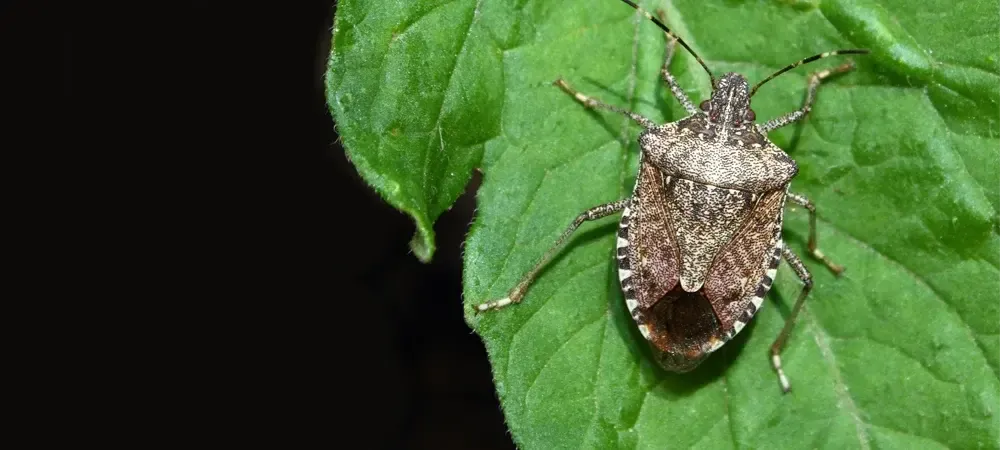
Stink bugs, boxelder bugs, and Asian lady beetles all start showing up on the outside of homes across Bucks, Montgomery, and Berks counties in September and work their way toward the nearest crack or gap by November. None of the three bite, sting, or nest inside walls to breed. They're not trying to damage your house. They're looking for a warm, dry spot to sit out the winter, and a house with unsealed gaps looks exactly like that.
Three Different Bugs, One Shared Habit
| Insect | Shape & Color | Size | Odor When Disturbed |
|---|---|---|---|
| Brown marmorated stink bug | Shield-shaped, mottled gray-brown | 1/2 to 3/4 inch | Strong, musty |
| Boxelder bug | Elongated oval, black with red-orange stripes | About 1/2 inch | Mild, unpleasant |
| Asian lady beetle | Round, orange to red, black spots (sometimes none) | About 1/4 inch | Faint, can stain fabric yellow |
Boxelder bugs cluster in large groups on the sunny side of a house, particularly near boxelder, maple, or ash trees, and most stay outside on the siding rather than pushing indoors. Stink bugs and lady beetles are more determined. Both actively search for gaps around window trim, siding, soffits, and utility penetrations, and both will keep moving through the wall once they've found a way past it.
Southeastern Pennsylvania Has Dealt With This Longer Than Most of the Country
The brown marmorated stink bug did not spread to Southeastern Pennsylvania. It started here. Penn State Extension traces the first confirmed Pennsylvania identification to Lehigh County in September 2001, with specimens collected in the Allentown area as far back as 1996. Homeowners across Bucks, Montgomery, and Berks counties have been dealing with fall aggregations of this insect since it first gained a foothold in the country, not since some recent trend.
Spraying Indoors Won't Stop an Infestation That's Already In
Once stink bugs or lady beetles get past the exterior wall and into a void behind siding or in an attic, spraying the inside of the house does not solve the problem. University of Maryland Extension's stink bug management guidance is direct about this: indoor insecticide applications, including aerosol foggers, won't kill everything that has already massed inside a wall or ceiling void, and won't stop more from entering behind them. Dust treatments injected into those voids can kill large numbers of bugs, but the dead insects can then draw in carpet beetles, which go on to feed on stored fabrics and dry goods nearby. Vacuuming visible bugs is a reasonable short-term fix for what's already in living space, but it does nothing about the ones still coming through the wall.
Sealing the House Is the First Real Fix
Prevention starts outside the house, before the bugs get past the exterior wall. Caulking gaps around window and door trim, sealing where siding meets the foundation, and closing off utility penetrations (dryer vents, cable lines, pipe entries) removes the entry points these insects rely on. Repairing or replacing damaged window screens closes another common route in. None of this work requires chemicals, and it keeps working season after season instead of needing to be reapplied.
Sealing Plus a Perimeter Treatment Covers What Caulk Alone Can't
Sealing handles the obvious gaps, but stink bugs in particular are persistent about finding whatever opening is left, and most houses have more entry points than one afternoon of caulking can close. Green Grass Lawncare, Inc.'s perimeter pest control service treats the exterior foundation, siding line, and entry points before the fall migration peaks, which knocks down the population trying to get in while the sealing work closes the rest. It pairs naturally with the mosquito control program many of the same households already run through the summer, since both are exterior perimeter treatments on the same seasonal schedule.
Finding stink bugs, boxelder bugs, or lady beetles gathering on your siding or windows this fall? Call Green Grass Lawncare, Inc. and we'll walk you through what's actually getting in and how to stop it before winter.